Clackmannanshire · On the Banks of the Forth

AlloaHouse& Tower

For six centuries a stronghold of the Erskines — Earls of Mar, keepers of the royal children of Scotland. A medieval tower that outlived the mansions raised beside it, and the fire that took them.

Built c. 1368 Erskine · Mar · Kellie Guardians of the Stuarts

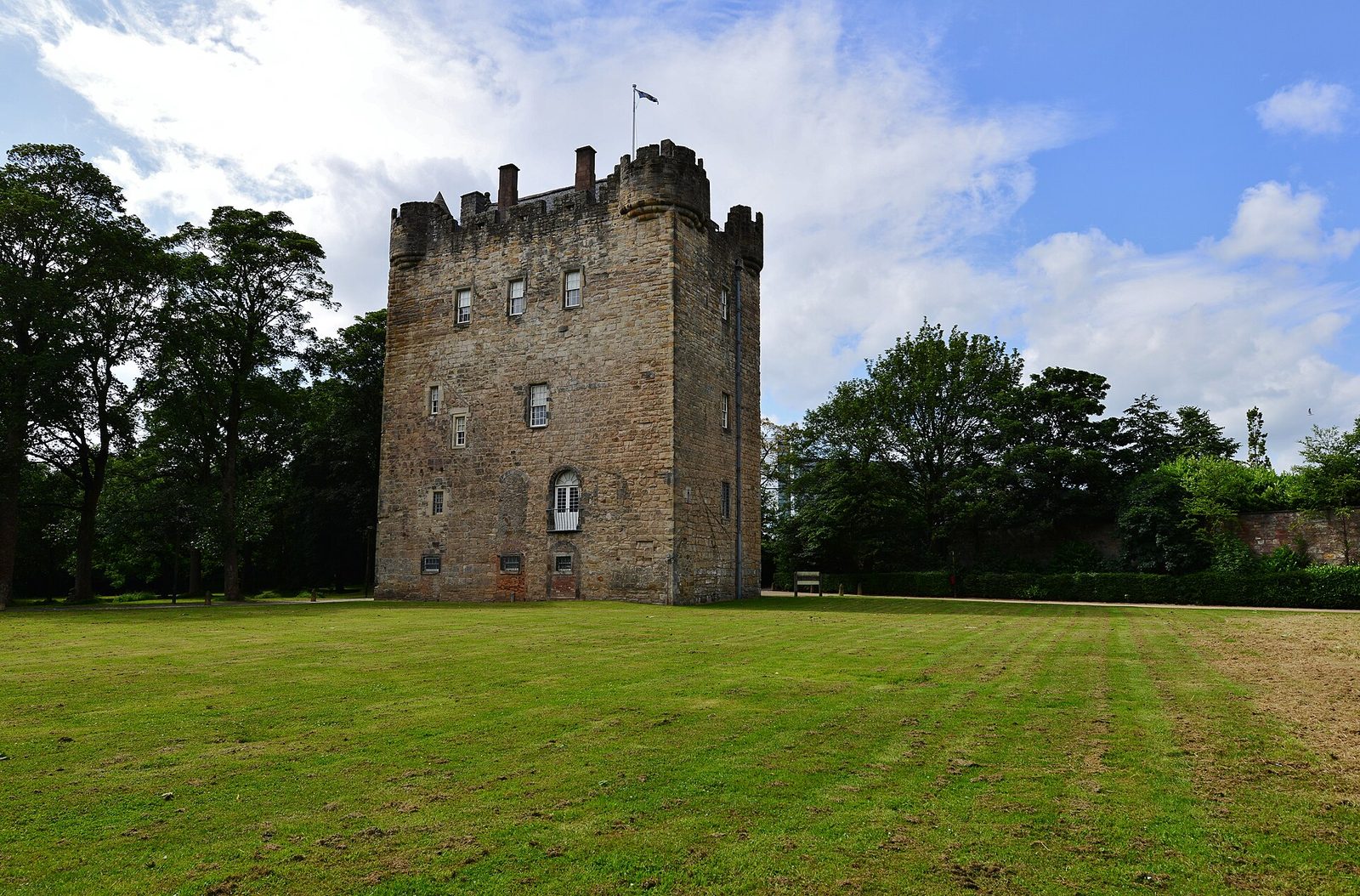
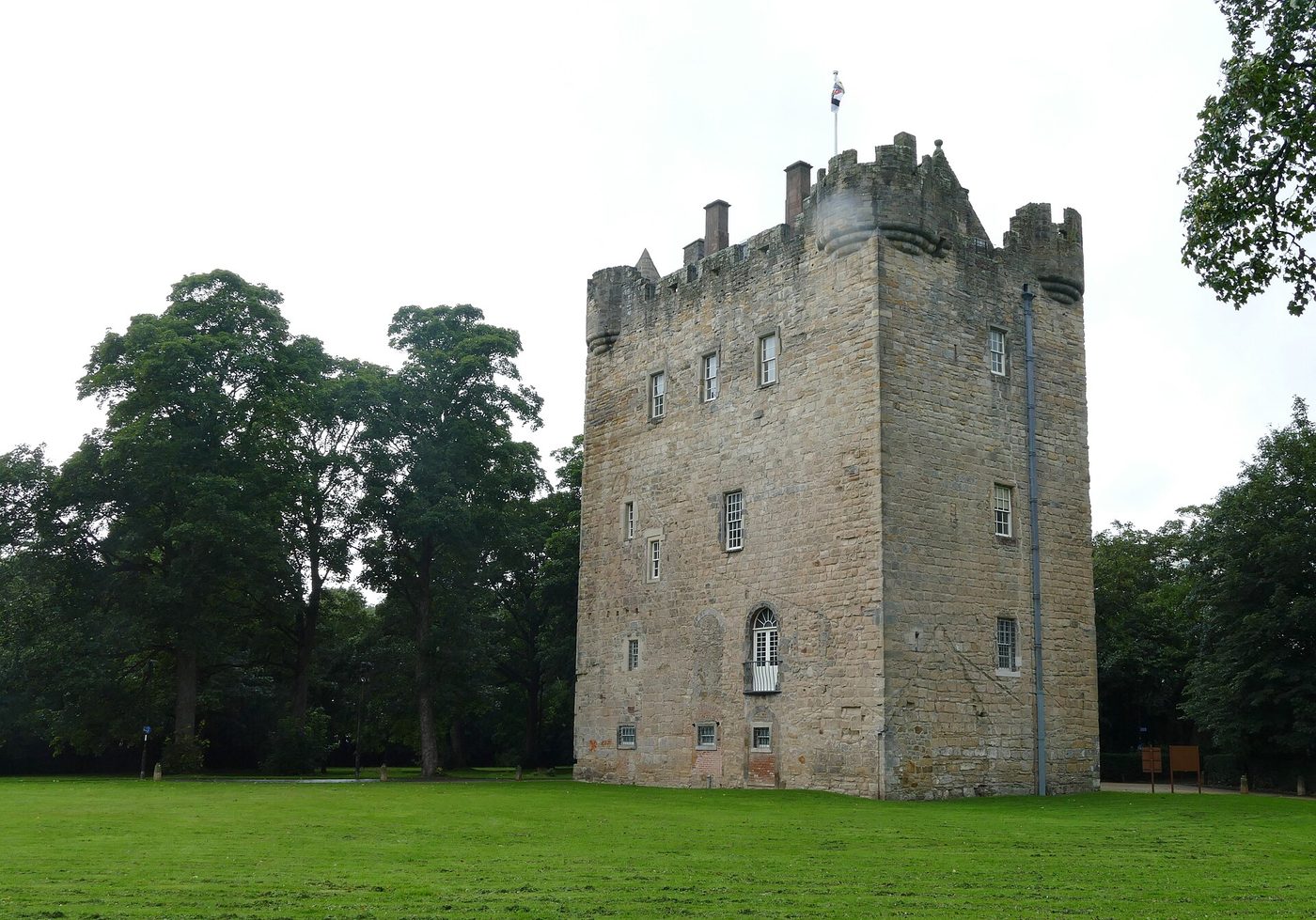
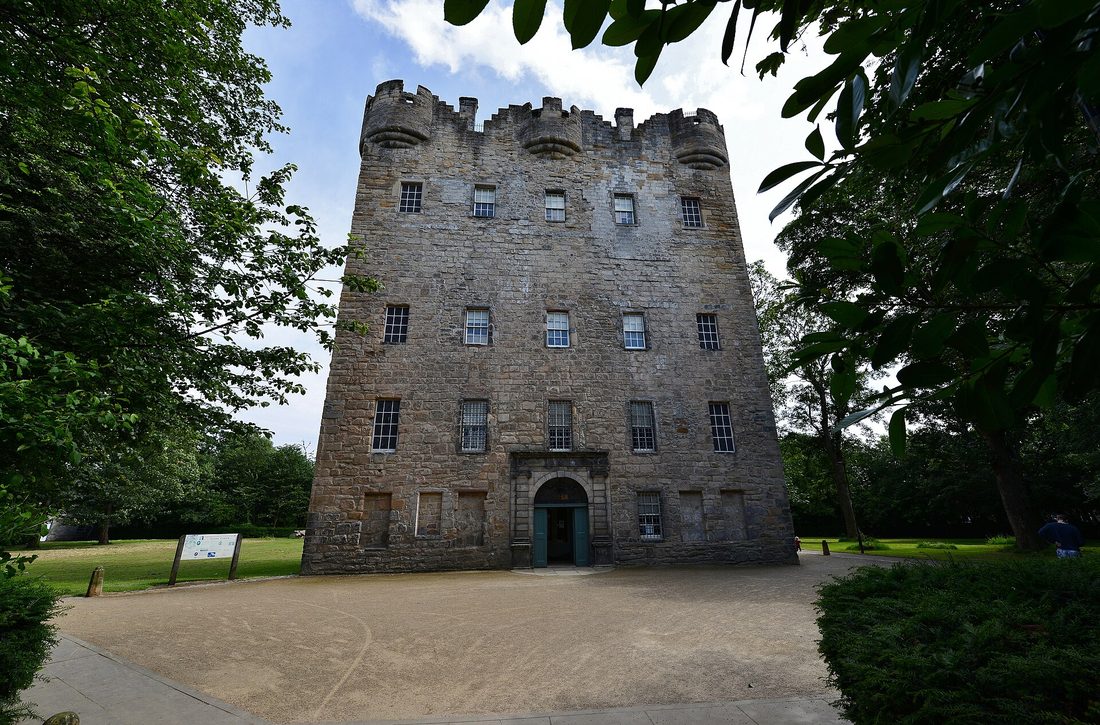
Rising four square storeys above the town of Alloa, the Tower was thrown up around 1368 to guard the northern shore of a vital ferry crossing on the River Forth. It remains one of the largest and best-preserved medieval tower houses in Scotland — its walls of immense thickness, its oak roof still medieval, its dungeon and well intact within the stone.

The tower was — and is — the ancestral home of the Erskine family, who by tradition served as guardians to the children of the Stuart monarchs. Within these walls a young Mary, Queen of Scots spent part of her childhood; so too, a generation later, did her son, the future James VI. In 1565 Mary rewarded the family's loyalty to the Stuart cause with the Earldom of Mar.

Alloa Tower, a tall four-storey medieval keep of pale stone standing above lawns.
Alloa Tower today — Scotland's largest surviving medieval keep.

I. A Chronicle in Stone

  1. c.1368

    The Tower is raised

    The Erskines build their stronghold to watch over the Forth ferry crossing — four storeys of guarded stone.

  2. 15–16th c.

    Keepers of the crown's children

    As hereditary guardians of the royal house, the Erskines shelter the young Mary, Queen of Scots, and later the infant James VI.

  3. 1565

    The Earldom of Mar

    Mary grants the family the Earldom of Mar in gratitude for their steadfast loyalty to the Stuart line.

  4. early 1700s

    The Grand Tour comes home

    John Erskine, 6th Earl of Mar — "Bobbing John" — transforms the forbidding medieval keep into a comfortable residence, inspired by the architecture of his tour through Europe, and raises a grand mansion beside it.

  5. 1715

    The standard is raised

    The 6th Earl leads the Jacobite Rising of 1715 — a gamble that would cost the family its titles and estates.

  6. 28 Aug 1800

    Conflagration

    Between the hours of eleven and midnight, fire consumes the great house. Of the extensive range of buildings, nothing survives save the present Tower.

  7. 1834–38

    A house rises again

    Architect George Angus builds a new Alloa House, weaving earlier fabric into the design; it is altered further in 1867.

  8. 1959

    The mansion falls, the Tower endures

    The Victorian house is demolished. The medieval Tower — older than every mansion built to eclipse it — stands alone once more.

II. Anatomy of the Keep

Four storeys rise within walls up to several metres thick. A cutaway reveals how the Erskines lived vertically — service and defence below, the great hall at the centre, private chambers and the wall-walk above.

Cutaway cross-section of Alloa Tower showing its four storeys. Parapet & wall-walk Medieval oak roof Private upper chambers The Great Hall Vaulted basement & dungeon 14th-century entrance Well in the wall
Cutaway — a schematic section through the four storeys.
Simplified ground-floor plan of Alloa Tower. HALL stair mural room entrance ≈ 10 m
Ground plan — a near-square keep with walls thick enough to hold rooms.
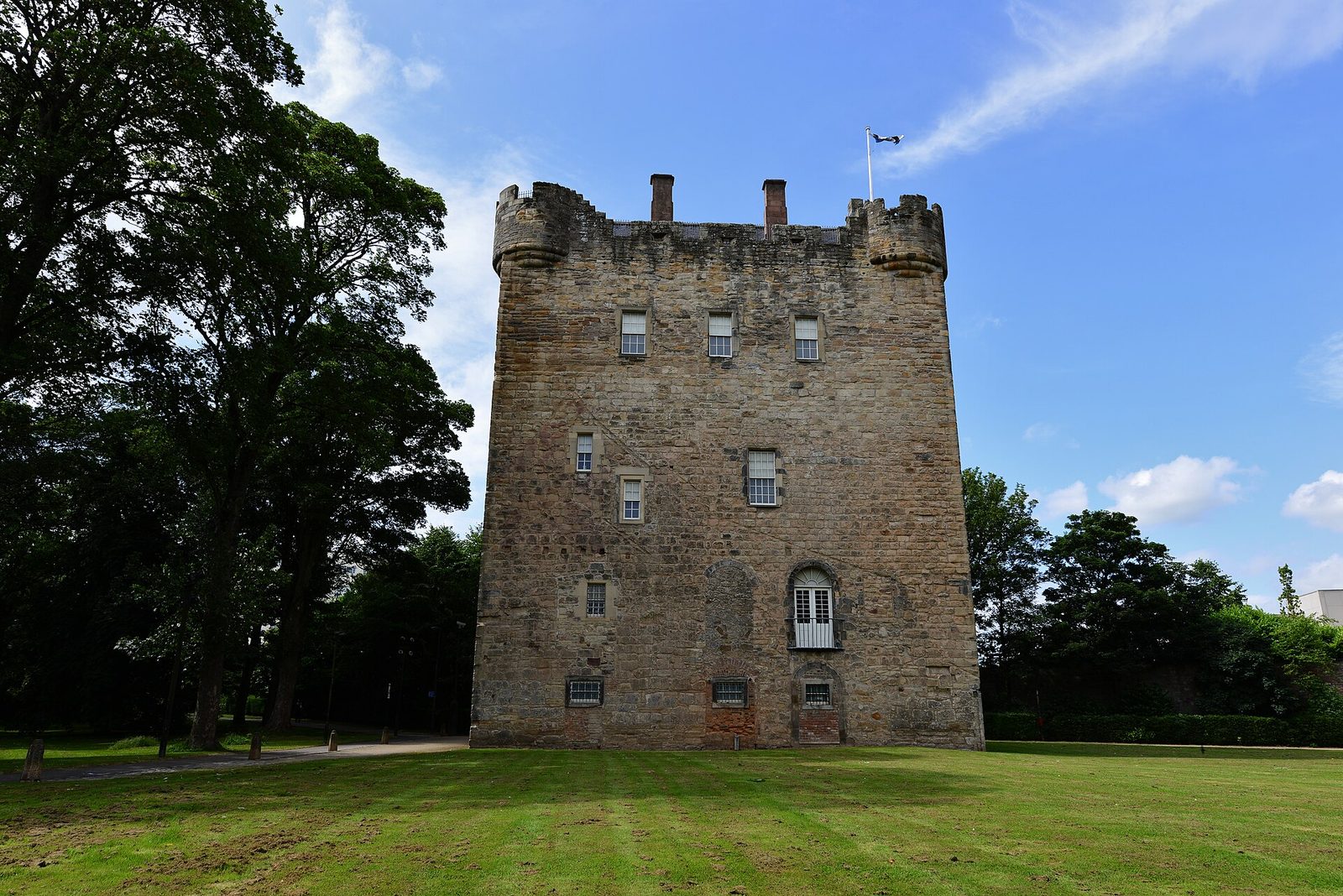
The arched medieval main entrance of Alloa Tower, dating from the 14th century.
The 14th-century entrance — the way in has scarcely changed in six hundred years.

“Alloa House was destroyed by conflagration on the evening of the 28th of August, 1800, between the hours of eleven and twelve — and nothing left of the extensive range of buildings save the present Tower.”

— contemporary account

III. The Erskine Line

Guardianship of the crown's heirs made the Erskines indispensable — and, in the end, over-bold. Three of the Earls of Mar chart the family's arc from regents of the realm to forfeited Jacobites.

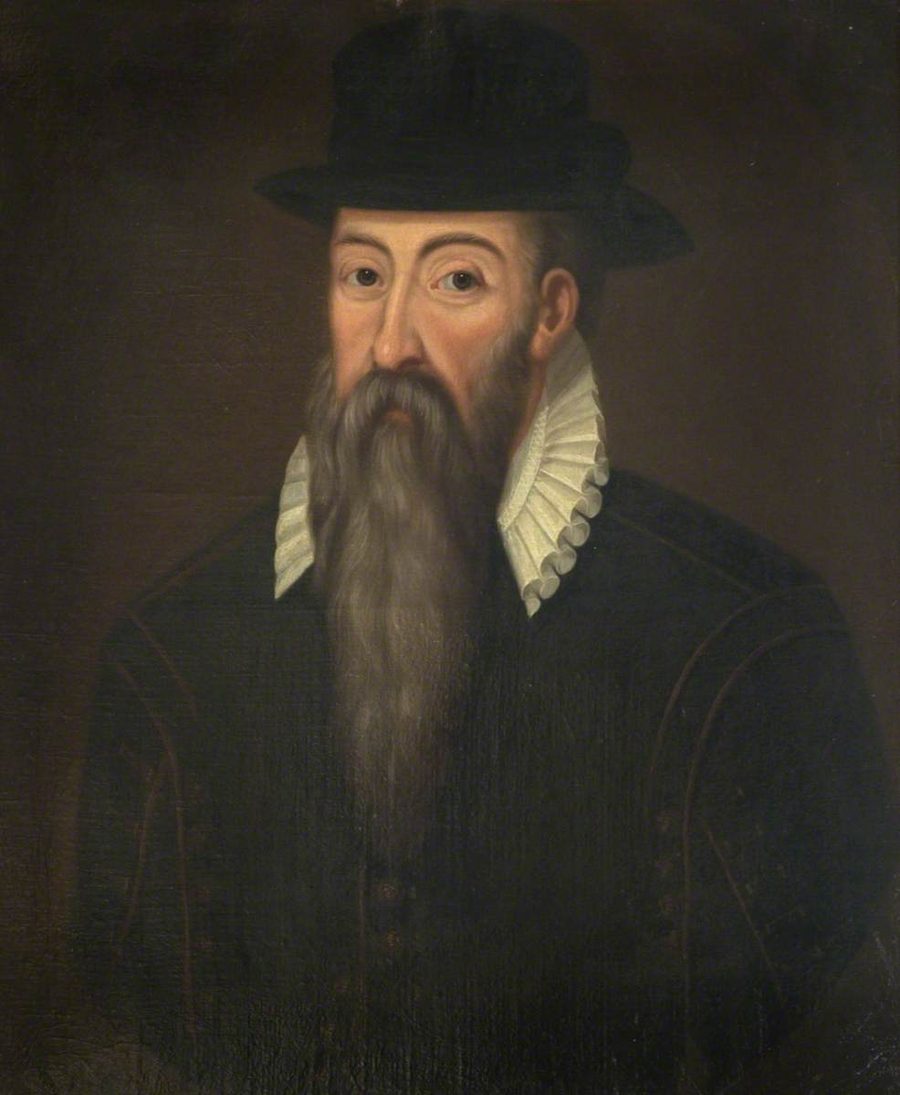
Portrait of John Erskine, 1st Earl of Mar, Regent of Scotland.
John Erskine 1st Earl of Mar · Regent of Scotland Granted the earldom by Mary in 1565; guardian of the infant James VI and, briefly, ruler of the kingdom in his name.
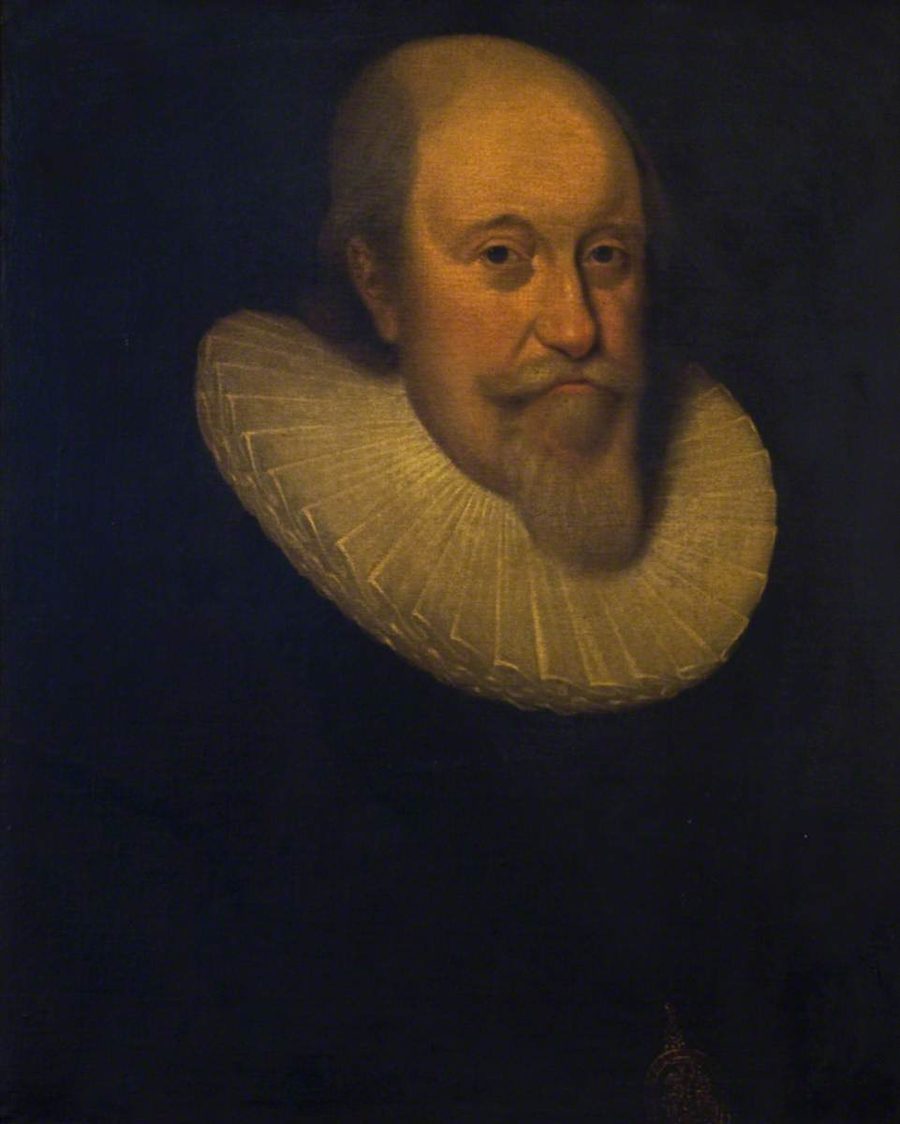
Portrait of John Erskine, 2nd Earl of Mar.
John Erskine 2nd Earl of Mar Boyhood companion of James VI and keeper of his royal castles; a fixture of the Stuart court as it moved south to London.
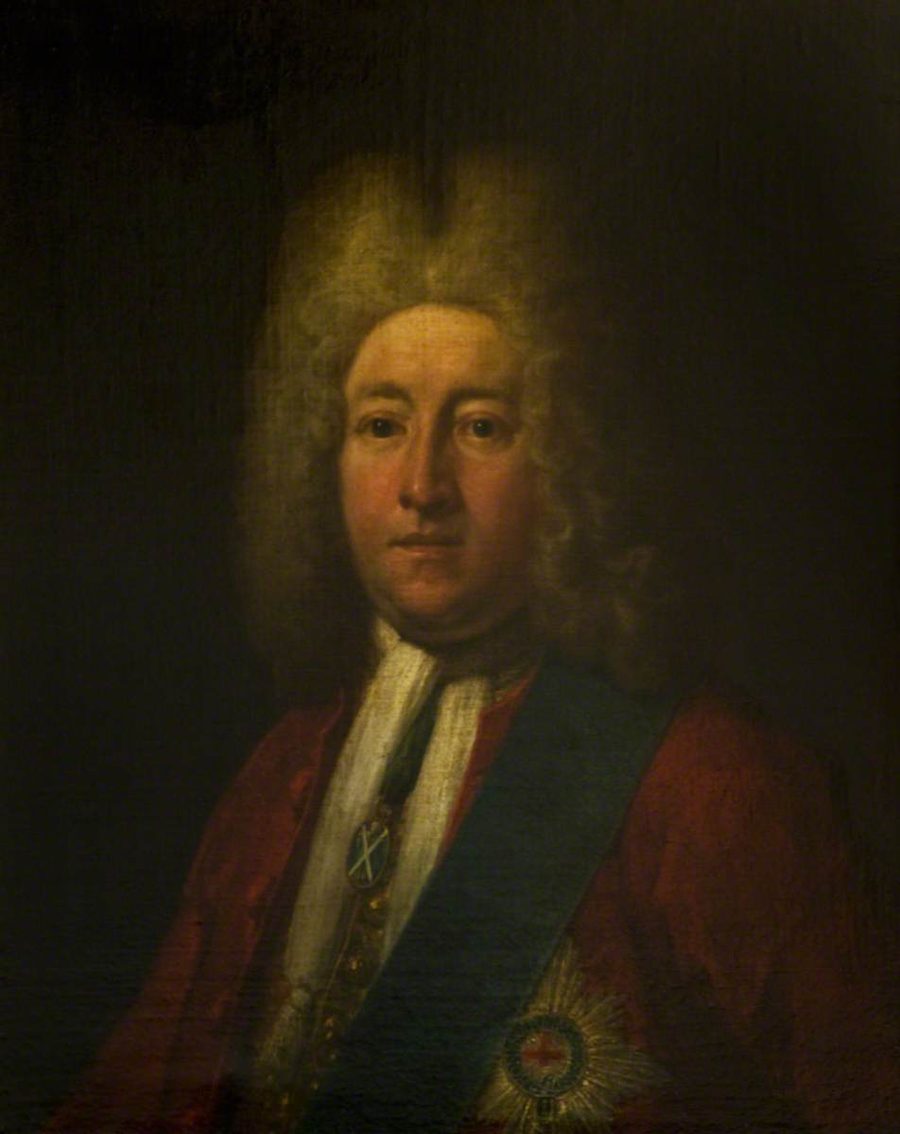
Portrait of John Erskine, 6th Earl of Mar, by Hyacinthe Rigaud.
John Erskine 6th Earl of Mar · "Bobbing John" Refashioned the tower and its grounds after his Grand Tour, then raised the standard of the 1715 Rising — and forfeited all.
Stylised shield of the Erskines, Earls of Mar.

Arms of Mar

Azure, a bend between cross-crosslets fitchée — a stylised rendering of the ancient device borne by the Earls of Mar. The pointed crosslets recall a crusading past; the diagonal bend, martial service to the crown.

✦  Enter the dark  ✦

Shadows
& Legends

Six hundred years of stone remember more than they confess. A curse laid by a homeless abbot; a wife buried alive in rumour; an earl who turned his coat like the tide — and the dead who never left the stair.

Legend · c. 1571

The Doom of Mar

When the 1st Earl of Mar pulled down Cambuskenneth Abbey for building-stone, its abbot — Patrick, whispered to trade in the black arts — left the Erskines a parting gift that the family would spend two centuries fulfilling.
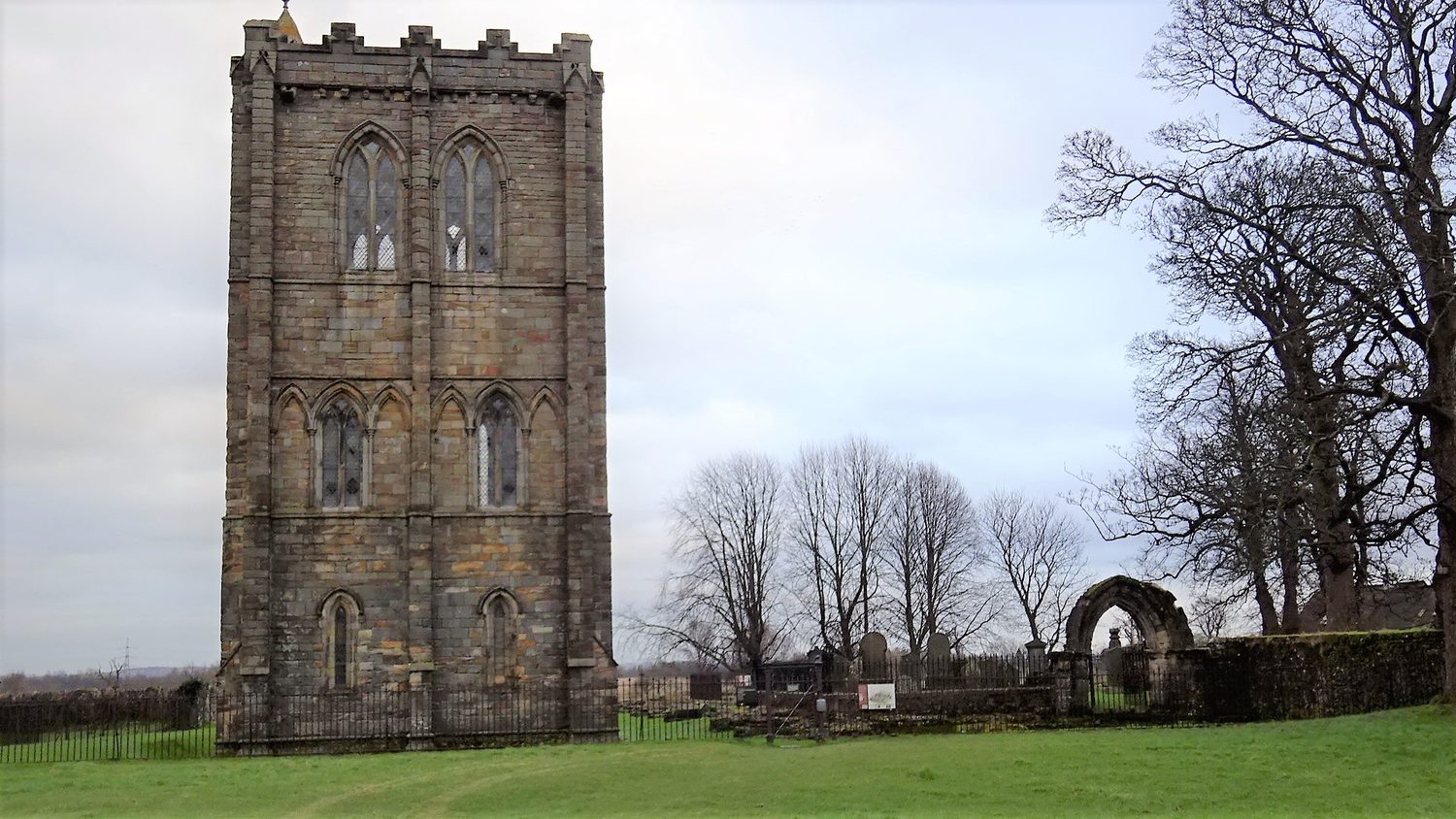
The lone surviving bell tower of ruined Cambuskenneth Abbey.
All that stands of Cambuskenneth Abbey — the stone the curse was paid for.
Proud Chief of Mar, thou shalt be raised still higher, until thou sittest in the place of the King. Yet thy wark shall be cursed and never finished; thy lands shall pass to the stranger; and thy children shall be born to darkness, never to see the light of day.
  • Mar's Wark The Earl died with his Stirling mansion half-raised — never finished, as foretold.
  • 1715 The 6th Earl's rebellion forfeited the family's lands "to the stranger."
  • 1800 Fire devoured the great house — and, the tale says, the Earl's countess within it.
  • Born blind Three of the 7th Earl's children came into the world blind — "never to see the light of day."
  • Ruin Yeomanry stabled their horses in the great hall; a homeless weaver worked his loom in the state chamber.

The curse, they said, would lift only when an ash sapling took root in the tower's own stones. In 1822 the earldom was restored — and an ash was found growing from the wall.
Documented · 1732–1745

The Wife Who Was Buried Alive

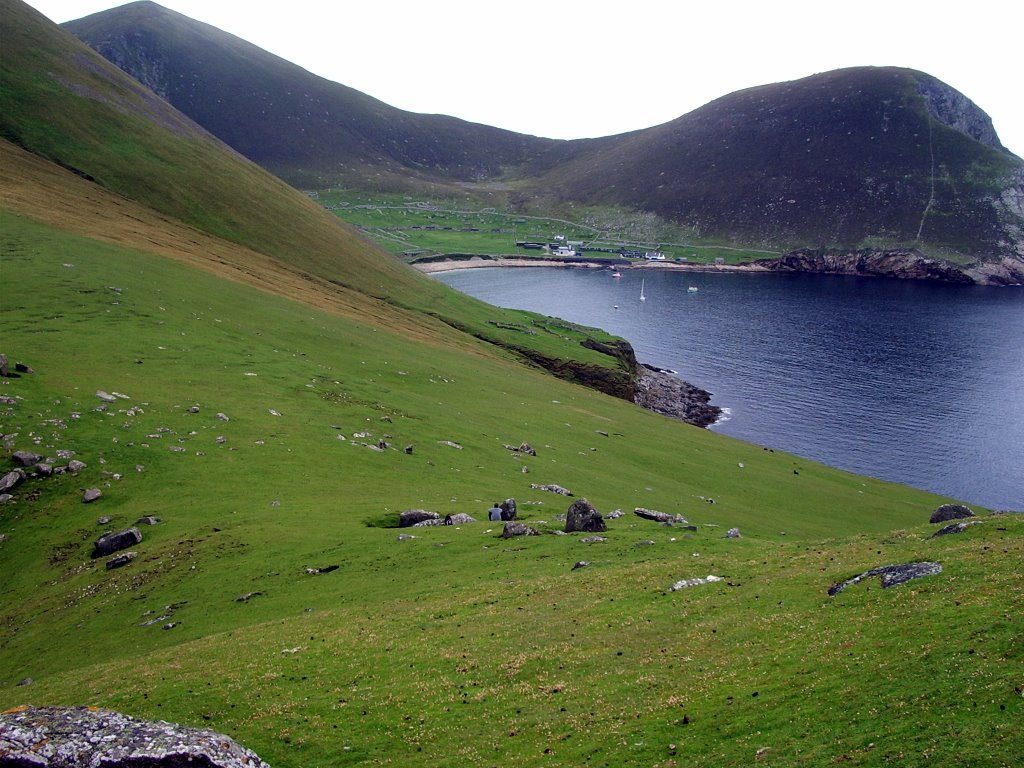
Village Bay on the remote Atlantic island of Hirta, St Kilda.
St Kilda — the Atlantic rock where Lady Grange was hidden from the world.

James Erskine, Lord Grange — respected judge, brother to the 6th Earl — kept a darker ledger. When his wife Rachel Chiesley threatened to expose his Jacobite plotting, he did not buy her silence. He erased her.

On a January night in 1732, hired men seized her from her Edinburgh bedchamber, bound and gagged her, and spirited her north. A coffin was lowered into a city grave; a funeral was held; the town mourned a woman still breathing. For thirteen years she was passed from island to island across the Hebrides — the Monach Isles, Skye, and the far Atlantic rock of St Kilda — while her husband dined in the capital. A rescue party reached St Kilda too late. She died a prisoner on Skye in 1745, erased in every way that mattered.

Violence ran in the blood: her own father had been hanged for shooting a judge dead in the street.

History · 1715

Bobbing John

John Erskine, 6th Earl of Mar, earned his nickname honestly: he bobbed. He courted the Hanoverian court, was snubbed, and rode north to raise the Jacobite standard at Braemar in 1715 — commanding the larger army, and contriving to lose all the same at Sheriffmuir.

When the rising collapsed he fled to France, forfeiting title and estate, and passed his exile intriguing with Jacobites and the government he had betrayed alike — a schemer to the last, who reshaped Alloa's gardens with the same restless brilliance he brought to changing sides.

Folklore

Those Who Never Left

  • A man in chains, tended by a ghostly serving girl who never speaks.
  • A young girl, said to have drowned in the tower's deep well.
  • A woman in black, keeping watch over an empty cradle.
  • A maid, still fleeing the flames of the great fire of 1800.
  • Cold footsteps and an "uneasy presence" on the turnpike stair.

IV. What Survives

The Medieval Roof

The Tower retains its original oak roof — a rare survival of medieval carpentry crowning the stone.

Dungeon & Well

Deep within the walls lie the original dungeon and a well, reminders of a fortress built for a harder age.

The Great Staircase

The 6th Earl's grand oak stair sweeps through the heart of the keep — the Grand Tour rendered in timber.

The Erskine Portraits

A collection of family portraits gazes down from the walls, charting generations of Mar and Kellie.

V. Guarding the Forth

Schematic map of Alloa on the north bank of the River Forth. the ferry crossing Stirling ALLOA to the Firth & the sea N
The Tower commanded the lowest ferry crossing of the Forth — the gateway between Lowlands and Highlands.
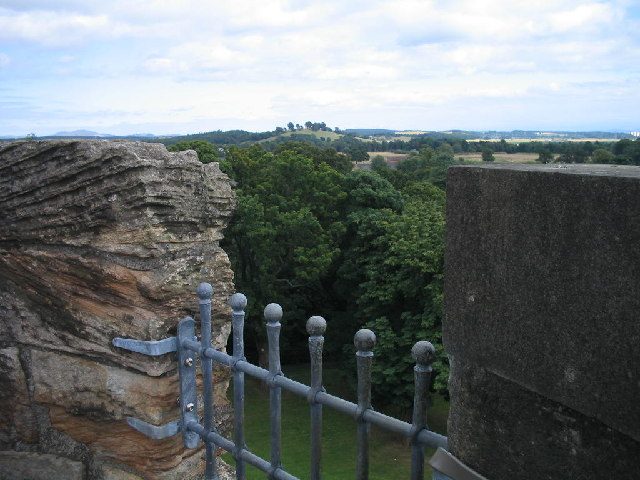
The view east from Alloa Tower across the surrounding country.
The prospect east from the Tower — the same country the Erskines once watched.

VI. The Tower Today

Alloa Tower is cared for by the National Trust for Scotland and open to visitors. Climb from dungeon to battlement through the centuries, and look out across the Forth to the hills the Erskines once watched from these windows.

Plan a Visit — National Trust for Scotland ↗

Image Credits

Photographs and portraits are reproduced from Wikimedia Commons under their respective licences. Diagrams and maps are original schematic illustrations.